
"export price"
7000 article(s) found

Acidity and texture of Ethiopian Coffee Manor Flavor characteristics of Fine Coffee beans
In Ethiopia, the grading and quality control system of coffee is divided into three levels: producer, regional and national. All coffee is inspected by local inspection agencies before leaving the country of origin, and then re-tested at the coffee inspection and grading centers in Addis and Diredawa to determine its quality grade. Coffee is graded before auction and sale, for all involved in production, acquisition,

Ethiopia, the largest producer of coffee in Africa.
Coffee grading and quality control system in Ethiopia, coffee grading and quality control system is divided into three levels: producer, regional and national. All coffee is inspected by local inspection agencies before leaving the country of origin, and then re-tested at the coffee inspection and grading centers in Addis and Diredawa to determine its quality grade. Coffee is graded before auction and sale

A brief introduction to the Market Price of Coffee Bean Variety planting in Kenya Coffee Bean Manor in Africa with balanced acidity
Internationally, the increase in the number of Kenyan coffee is obvious. From 1969 to 1970, 800000 bags were exported, and from 1985 to 1986, exports increased to 2 million bags. Now the yield is stable at 1.6 million bags, with an average yield of about 650kg per hectare. Even before coffee prices skyrocketed in recent years, the average price of coffee in Kenya had been rising. Prices from 1993 to 1994

Ethiopia coffee beans grinding scale varieties of production area treatment method Manor introduction
In Ethiopia, coffee classification and quality control systems are divided into producer, regional and national levels. All coffees are inspected by local inspection agencies before they leave the country of origin, and then re-inspected at coffee inspection and grading centres in Addis and Diredova to determine their quality grade. Coffee is graded prior to auction and sale, and all participants in production, acquisition,

History and culture of Colombian coffee the development of Colombian coffee
In the early 1960s, coffee production was about 600kg per hectare. Now it has risen to about 900kg, and some farms can reach 2500 kg. However, quality assurance is a top priority for the coffee industry. Colombia established the National Coffee Management Association (Federacion Nacional de Cafeteros, or FNC) in 1927, which is responsible for quality supervision. Although the association is a private company

Introduction to the method of describing the Flavor of Solar Yersinia Coffee and the degree of Grinding
There are two main indicators in Essel's coffee grading and quality control system: visual inspection and cup evaluation, including the color, cleanliness, origin, taste and characteristics of coffee beans. The export rating is marked by simple numbers, with the best washed coffee at level 5 and the best sun-cured coffee at level 4. After grading, mark the place of origin and then export. Usually out
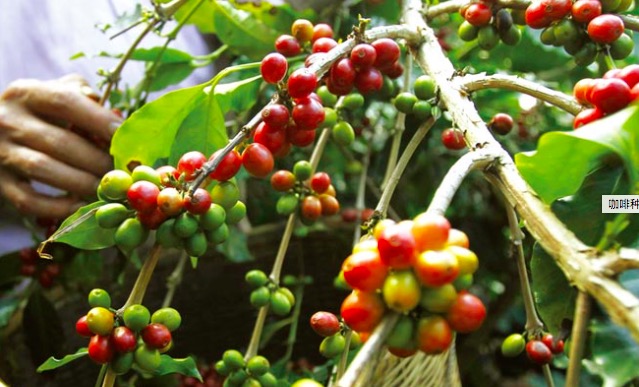
In order to win the top coffee market in Europe, the United States and Japan, Ugandan coffee is not good enough to go to prison.
Uganda does not hesitate to put illegal farmers in jail in order to improve the quality of coffee beans, but experts believe that this can only be achieved by introducing farming programs, education and other incentives. ■ Farming projects, education and other incentives should be used to boost coffee quality rather than arrests. Coffee beans are an important export from Uganda.

Ethiopian coffee flavor Ethiopian coffee variety Ethiopian coffee brand
Due to different processing methods, coffee can be divided into washed coffee (Washed coffee) and sun-cured coffee (Sun-dried coffee). Washed coffee accounts for 35% of exports. Good quality washed coffee is processed with freshly picked fully ripe fruit, picked carefully and closely monitored by professionals. The clean coffee beans picked up will be pulped on the day of picking.

Introduction to the taste and flavor of Ethiopian coffee
In Ethiopia, the grading and quality control system of coffee is divided into three levels: producer, regional and national. All coffee is inspected by local inspection agencies before leaving the country of origin, and then re-tested at the coffee inspection and grading centers in Addis and Diredawa to determine its quality grade. Coffee is graded before auction and sale, for all involved in production, acquisition,
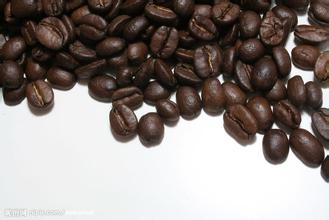
Introduction to the taste of the quality producing area of Sidamoto Lion King Coffee Bean Flavor description
Sidamomo Lion King Coffee Bean Flavor description method Coffee is the most important export cash crop and the main source of foreign exchange income in Ethiopia. Ethiopia's coffee exports account for about 3% of the world market, making it the eighth largest coffee exporter in the world. Coffee exports increased steadily from 58000 tons in 1990 to 110 tons in 1995-1996.

Acidity and texture of Ethiopian Yega Sheffivoka Coffee Flavor Manor
Due to different processing methods, coffee can be divided into washed coffee (Washed coffee) and sun-cured coffee (Sun-dried coffee). Washed coffee accounts for 35% of exports. Good quality washed coffee is processed with freshly picked fully ripe fruit, picked carefully and closely monitored by professionals. The clean coffee beans picked up will be pulped on the day of picking.

A brief introduction to the Variety characteristics of the Flavor description method of Ethiopian Sidamomo Lion King Coffee
The export rating is marked by simple numbers, with the best washed coffee at level 5 and the best sun-cured coffee at level 4. After grading, mark the place of origin and then export. Exports are usually paid by letter of credit, which can not only reduce the risk of foreign exchange collection for exporters, but also give quality assurance to importers. Coffee is Ethiopia's most important export cash crop and the main source of Ethiopia's foreign exchange earnings.

Introduction to the varieties of Colombian coffee beans
In the early 1960s, coffee production was about 600kg per hectare. Now it has risen to about 900kg, and some farms can reach 2500 kg. However, quality assurance is a top priority for the coffee industry. Colombia established the National Coffee Management Association (Federacion Nacional de Cafeteros, or FNC) in 1927, which is responsible for quality supervision. Although the association is a private company

Colombian boutique coffee beans the world's largest exporter of boutique coffee
For the exchange of professional baristas, please follow the coffee workshop (Wechat cafe_style) Colombia is the largest producer of quality coffee in the world! The traditional deep-roasted coffee has a strong and memorable flavor. In 1808, coffee was first introduced to Colombia, which was brought by a priest from the French Antilles via Venezuela. Today, the country

Characteristics of Panamanian Flower Butterfly Coffee Bean hand-flushing method Taste growing Environment Export bidding Price
Characteristics of Panamanian Flower Butterfly Coffee Bean hand-brewing method the export bidding price of Panamanian butterfly coffee beans assumes that other variables remain the same, only the amount of powder is increased, so that the extraction rate will be lower and the concentration will be higher, which may be counterproductive in the end. the coffee produced is strong and sour ~ choose 40% rose summer seed, which is also an official statement, here only do basic knowledge collation, there is no doubt for everyone.

Introduction of Salvadoran coffee price of Salvadoran coffee
In the early 1990s, guerrilla warfare greatly damaged the country's national economy, reducing coffee production from 3.5 million bags in the early 1970s to 2.5 million bags in 1990-1991. The eastern part of the country was most affected by guerrilla warfare, and many farmers and workers were forced to leave the manor. The shortage of funds has led to a sharp drop in coffee production, from 1200 kg per hectare in the past to no yield per hectare today.

The characteristics of Ethiopian Coffee training institutions for Essex Coffee Flavor
Boutique coffee (specialty coffee) is also called specialty coffee selection coffee. It refers to coffee made from a small number of raw beans with excellent taste grown in an ideal geographical environment. Depending on the special soil and climatic conditions in which they grow, they have outstanding flavor. After strict selection and classification, this kind of coffee is hard in texture, rich in taste and stylish.

Washed Fine Coffee Lim Coffee from Ethiopia
Coffee is Ethiopia's most important export cash crop and the main source of Ethiopia's foreign exchange earnings. Ethiopia's coffee exports account for about 3% of the world market, making it the eighth largest coffee exporter in the world. Coffee exports increased steadily from 58000 tons in 1990 to 110000 tons in 1995-1996 and remained at this level in the following years. 2001-2002

Ranking of domestic coffee brands-development trend of Chinese coffee beans-reasons for cheap sale of domestic coffee beans
Professional coffee knowledge exchange more coffee bean information please follow the coffee workshop (Wechat official account cafe_style) Pu'er domestic coffee bean output reached the highest in 2016, reaching 900000 bags. The coffee grown in Pu'er has a short history and only became popular in the 1980s. Most of the varieties should be Kadim. The second and third in Baoshan are Lincang, the fourth is Dehong, and the fifth is Banna. Red River

Ethiopian Coffee Manor Flavor description Grinding degree Variety characteristics introduction to the taste of fine coffee beans
In Ethiopia, the grading and quality control system of coffee is divided into three levels: producer, regional and national. All coffee is inspected by local inspection agencies before leaving the country of origin, and then re-tested at the coffee inspection and grading centers in Addis and Diredawa to determine its quality grade. Coffee is graded before auction and sale, for all involved in production, acquisition,